
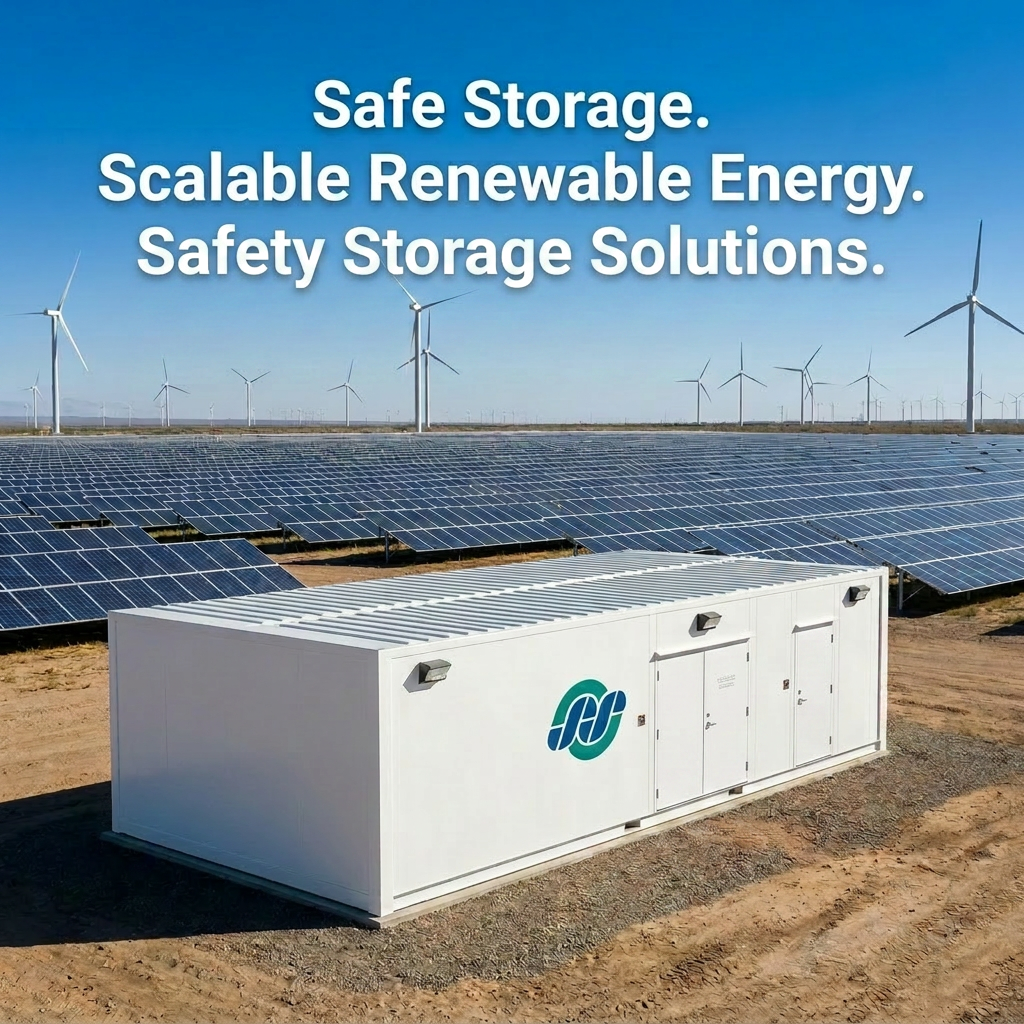
As renewable energy initiatives continue to scale, the ability to deploy safe, reliable, and compliant energy storage infrastructure has become a defining factor in project success. Solar and wind developments increasingly depend on battery energy storage systems (BESS) to deliver consistent performance and grid resilience—yet these systems introduce complex safety and regulatory challenges. Organizations that prioritize engineered, code-compliant storage solutions are better positioned to accelerate deployment, reduce risk, and meet the growing demand for sustainable energy. This is where Safety Storage, Inc. is helping lead the industry forward.
The Evolution of Safety Storage
Safety Storage has evolved significantly over the past several decades. Early hazardous material storage solutions were primarily designed for containment of flammable liquids and chemicals, with a focus on basic fire resistance and spill control. As regulations developed, standards such as NFPA, IBC, and IFC formalized requirements around fire protection, ventilation, and occupancy classifications.
With the rapid advancement of lithium-based battery technologies over the past 15–20 years, the risk profile has changed dramatically. Unlike traditional hazards, lithium batteries introduce:
- Rapid fire propagation
- Thermal runaway events
- Off-gassing and explosion potential
This shift has driven the development of new safety frameworks, including UL 9540A testing, as well as expanded code requirements, such as IFC Section 320 and NFPA 855, that specifically address energy storage risks.
Today, safety storage is no longer just about containment—it is about engineered systems that actively mitigate high-energy hazards and protect surrounding communities and infrastructure.
Why Safe Storage Matters for Economic Development
For states, municipalities, and economic development organizations, energy storage is more than a technical requirement—it is a strategic enabler of growth.
Safe and compliant battery storage infrastructure supports:
- Faster deployment of solar and wind projects
- Attraction of energy-intensive businesses (manufacturing, data centers, logistics)
- Reduced risk exposure for developers, investors, and insurers
- Increased grid reliability for industry and communities
Projects that integrate pre-certified, fire-rated storage solutions often move more quickly through permitting and approval processes, reducing delays that can affect funding and timelines.
The Role of Fire-Rated Storage Buildings
Purpose-built, fire-rated battery storage buildings are becoming a standard component of modern energy infrastructure. These structures are designed specifically to address lithium battery risks while meeting stringent regulatory requirements.
Key features include:
- Integrated fire detection and suppression systems
- 2-hour fire-rated construction for containment and asset protection
- Ventilation and design considerations to manage off-gassing risks
- Compliance with IBC, IFC, and NFPA standards
- Alignment with UL certifications and FM Global insurance requirements
Importantly, many of these systems can be engineered, certified, and approved before leaving the factory, helping streamline deployment.
Supporting Project Timelines and Investment Confidence
One of the ongoing challenges in renewable energy development is navigating permitting, inspections, and regulatory approvals. Pre-engineered and pre-approved storage solutions are helping address this challenge.
Benefits include:
- Reduced on-site construction complexity
- Lower project risk and greater cost predictability
- Increased confidence for investors and insurers
- Accelerated approval from Authorities Having Jurisdiction (AHJs)
For economic development stakeholders, this translates to faster time-to-market for energy projects and stronger alignment with infrastructure planning goals.
Building the Foundation for Renewable Growth
As solar and wind capacity expands, the need for scalable, standardized, and safe storage solutions becomes increasingly important. Communities that prioritize safe energy infrastructure are better positioned to:
- Support grid modernization initiatives
- Enable long-term sustainability goals
- Protect public safety and critical assets
- Attract clean energy investment
Looking Ahead
The transition to renewable energy is not just about generating power—it’s about building a resilient and secure energy ecosystem.
Advancements in fire-rated battery storage, combined with evolving safety standards and certifications, are helping ensure that energy storage systems can be deployed responsibly and at scale.
For economic development leaders, integrating safe and compliant storage infrastructure into planning and project execution will be critical to unlocking the full potential of solar and wind energy investments.
Learn how Safety Storage, Inc. is supporting safe, scalable energy storage for renewable projects.